Start at the corners and work up
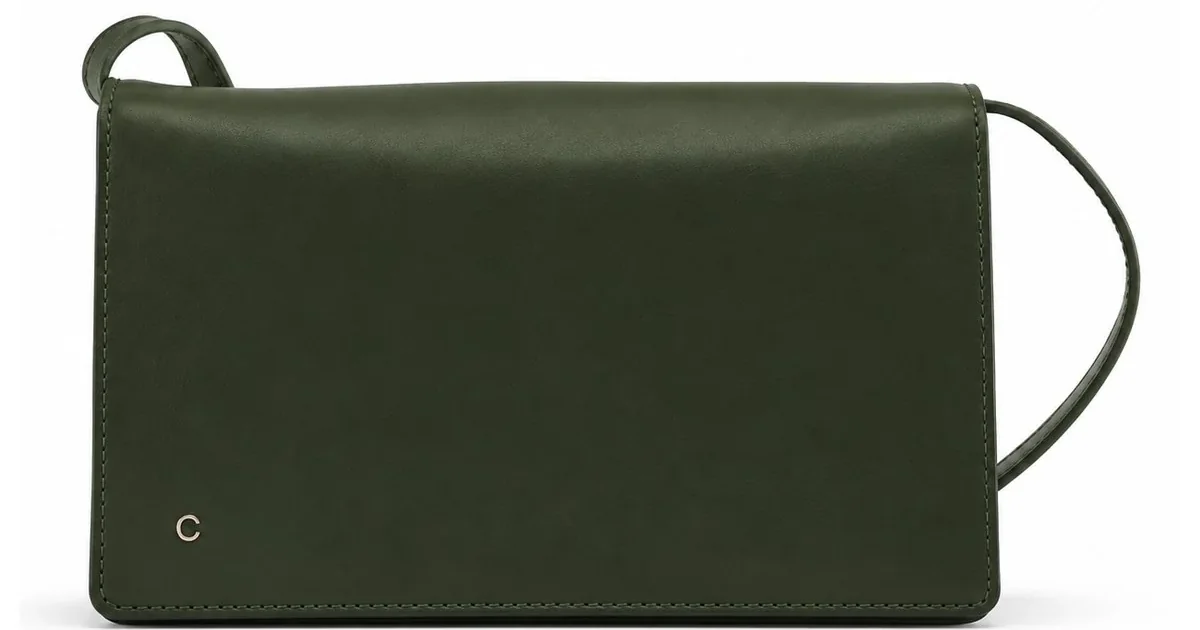
Corners are where scuffs often appear, especially on a structured bag. A surface rub comes with a different decision than deep cracking at a handle base. Zoom into handles, strap clips, seams around the opening, and any rivets. These are the points that carry the bag’s weight. Ask for a photo with the bag empty if you want to see whether it stands or slouches on its own.
Ask for the view you can’t see
The interior can tell you more about daily use than a perfectly lit front photo. Check lining seams, pockets, and any stains or peeling around coated edges. Ask whether the zipper runs smoothly and the magnetic closure meets properly. If odour is a deal-breaker, ask explicitly. Check the stated material and how it’s described. A look-alike finish in a photo is weak evidence of what the bag is made from.
Measure what actually goes inside
Compare your largest item with the opening as well as the inside width. A laptop or tablet that technically fits inside a bag may be awkward to get through a tapered opening. Compare strap drop with a bag you use, and account for a bulky coat if you plan to carry it across your body in winter. Check whether strap length includes adjustable hardware.
Decide what evidence you need at the price
For a higher-priced branded bag, check what evidence supports any authenticity claim and what help the seller provides if it’s disputed. A receipt or serial number alone is incomplete evidence. For an everyday bag, prioritise useful dimensions and solid straps. Browse the PIXS accessories edit, and read what pre-loved and new with tags mean before comparing condition across listings.