Start with the cut and fabric
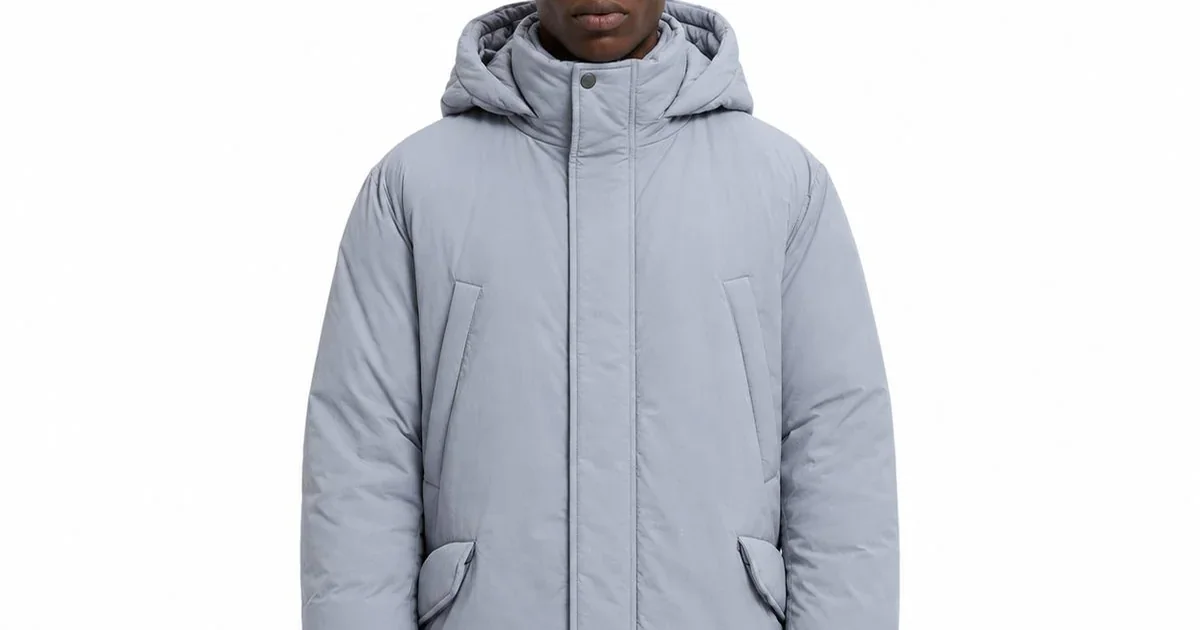
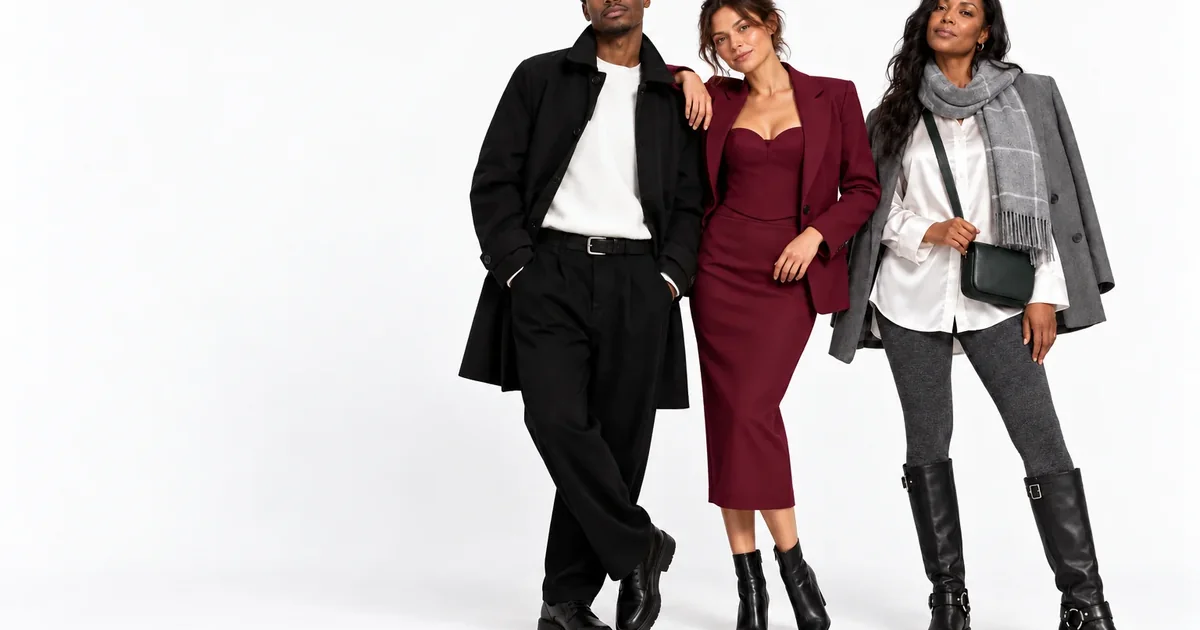
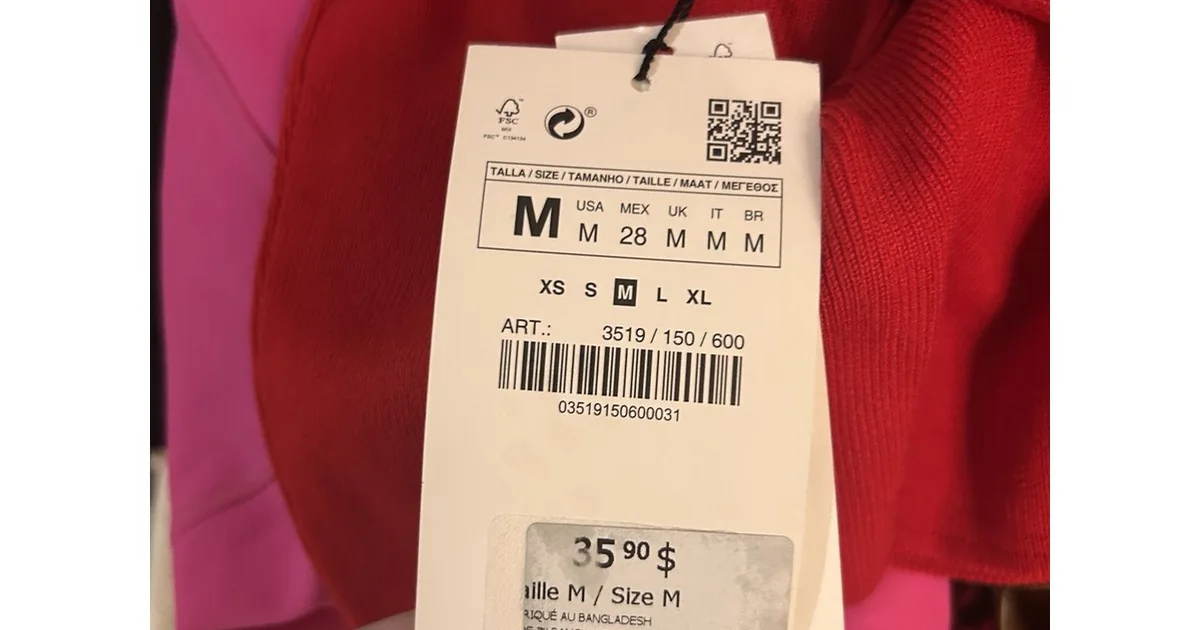
Zara says its sizes can vary with the style, cut, and fabric. A fitted blazer, an oversized coat, and stretch denim all behave differently even when the labels look familiar. The retailer’s size guide refers to body measurements for its current pieces. A resale listing may give the garment’s actual measurements, so check which numbers you have before comparing them.
Measure the jacket you’d wear tomorrow
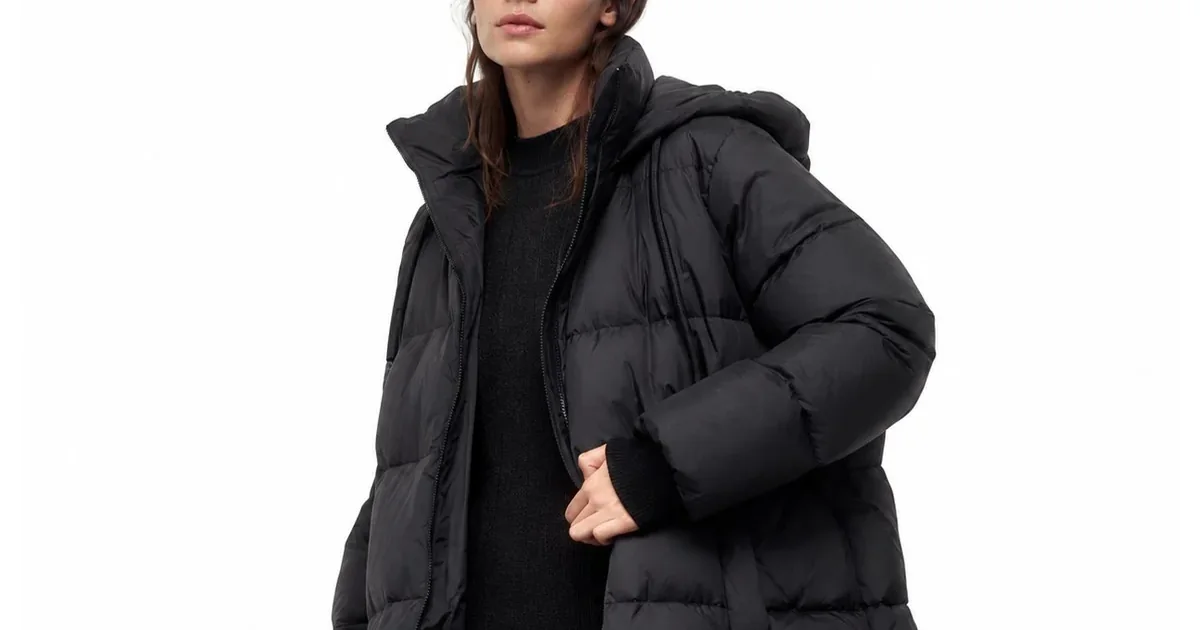
Zip or button it, lay it flat, and measure straight across from underarm to underarm. Record the chest width as a flat number. Measure shoulder seam to shoulder seam, then down from the shoulder seam to the cuff where the sleeve construction allows. For a raglan sleeve, ask the seller where their measurement begins. Wear your usual sweater under the reference coat when assessing whether you already have enough layering room.
Measure trousers for how you sit and move
Fasten the waistband and measure across it without stretching. Measure from the crotch seam up to the front waistband for the rise, and from the crotch seam down the inside leg for the inseam. If your best-fitting trousers are stretchy, compare them with a listing made with similar stretch. A rigid waistband can feel different even when the tape measurements match.
Keep a tiny fit note on your phone
Save the numbers from one favourite coat and one pair of trousers, alongside each item’s fabric and intended fit. When a listing calls itself relaxed, compare its measurements against those notes. If a measurement is missing, ask for it before ordering. Explore PIXS clothing, or see exactly what else to inspect on a second-hand winter coat.